About SAME banner
  • How to Install and Calibrate Digital Pressure Switches: Step-by-Step Guide and Common Mistakes
    Nov 04, 2026
    In the transition towards Industry 4.0 and intelligent manufacturing, digital pressure switches have become the fundamental nervous system of automated fluid and pneumatic control loops. Unlike traditional mechanical gauges that simply display a visual reading, modern digital sensors actively monitor pipeline stability, execute instantaneous failsafe logic via discrete NPN/PNP outputs, and stream real-time data to central SCADA systems. However, procuring a high precision digital pressure switch is only half the battle. The reliability, lifespan, and accuracy of these instruments are heavily dependent on proper mechanical installation, secure electrical wiring, and accurate digital calibration. A minor oversight during installation can lead to micro-leaks, electronic short circuits from fl...
    Read More
  • What Is an Electro-Pneumatic Regulator and How Does It Work
    What Is an Electro-Pneumatic Regulator and How Does It Work
    Oct 27, 2026
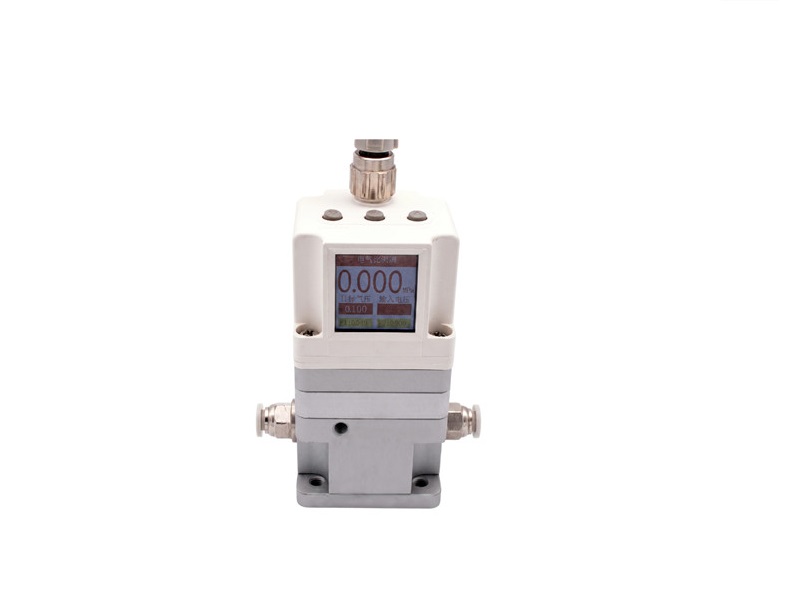
    An electro-pneumatic regulator is a proportional device that delivers stepless control of air pressure in proportion to an electrical command signal. Manual adjustment relies on a knob or spring. The automated type of electro-pneumatic regulator replaces that mechanical input with a setpoint signal, so an operator or control system can adjust the output remotely. Inside the unit, control electronics compare the command signal with feedback from an internal sensor and correct the output continuously. This closed-loop design holds the setpoint accurately under flowing and non-flowing conditions. Response is quick: SMC ITV electronic pneumatic regulators typically reach 90 percent of a step change in roughly 0.5 to 1 second, negligible for slow fill cycles lasting minutes.   Key Takeawa...
    Read More
  • How to Diagnose Pressure Drops in Pneumatic Systems: Causes, Tests, and Practical Fixes?
    Oct 22, 2026
    Quick Answer: A pressure drop in a pneumatic system usually results from air leakage, undersized pipes, clogged filters, an incorrectly adjusted regulator, insufficient compressor capacity, or excessive demand during actuator movement. To identify the real cause, measure pressure at the air source and at the point of use under both static and operating conditions. Comparing these readings helps distinguish supply problems from local restrictions and component faults. Replacing a pressure gauge or increasing the compressor pressure without testing the system can waste energy and leave the original fault unresolved. A structured diagnosis is more reliable and helps prevent recurring downtime. Key Takeaways Measure pressure at multiple locations instead of relying on a single gauge at the c...
    Read More
  • Air Pressure Gauge Buying Guide: Everything You Need to Know Before Ordering
    Oct 13, 2026
    Selecting the right digital pressure gauge is a critical decision for procurement managers, automation engineers, and system integrators. In the era of Industry 4.0, a pressure gauge is no longer just a visual indicator; it is the central nervous system of your fluid and pneumatic control loops. A slight mistake during model selection may result in wrong selection, inaccurate readings, insufficient precision, pressure gauge damage, and even costly production downtime. Welcome to the ultimate Digital Pressure Gauge Buying Guide. Whether you are replacing traditional pneumatic equipment or upgrading to a digital display system, this guide is your blueprint. In this comprehensive technical breakdown, we cover the essential specifications, and networking capabilities you must rigorously evalu...
    Read More

  • How to Choose the Right Digital Pressure Gauge for Your Pneumatic System?
    Sep 20, 2026
    Quick Answer To choose the right digital pressure gauge for your pneumatic system, you must evaluate four critical factors: the required pressure range, the desired accuracy level, the specific output signal type (such as NPN/PNP, 4-20mA, or 0-10V), and the operating environment. Selecting a gauge that strictly aligns with these parameters ensures optimal efficiency, safety, and seamless integration into your industrial automation control processes.   Key Takeaways Pressure Range: Always select a gauge with a maximum range that exceeds your system's normal operating pressure by 20-30% to prevent sensor damage. Signal Compatibility: Ensure the gauge's output signals match your PLC (Programmable Logic Controller) requirements for accurate data transmission. Environmental Durabili...
    Read More
Leave A Message
If you are interested in our products and want to know more details,please leave a message here,we will reply you as soon as we can.